Start Here: Find Your Growing Zone and Frost Dates
 By Mai Calder · · 1 min read
Every "plant it now" tip online is written for somebody's climate. These two lookups turn generic advice into advice for your yard.
1. Your USDA Plant Hardiness Zone
The USDA's zone map sorts areas by their average coldest winter temperature. It tells you which perennials, trees and shrubs can survive winter where you live. Look yours up by ZIP code at planthardiness.ars.usda.gov. What it doesn't tell you: when to plant your vegetables. For that you need frost dates.
2. Your average last and first frost dates
Your last spring frost and first fall frost bracket your main growing season. Seed packets often say things like "plant after danger of frost has passed," and this is the date they mean. The best local source is your county's cooperative extension office. Search "[your county] extension office frost dates." They publish planting calendars for your area for free.
3. Write them down
Put your zone and both frost dates somewhere you'll see them: the garage wall, your phone, or the inside of your seed box. Every post on this blog names the zone it was written for, so you can adjust.
Remember
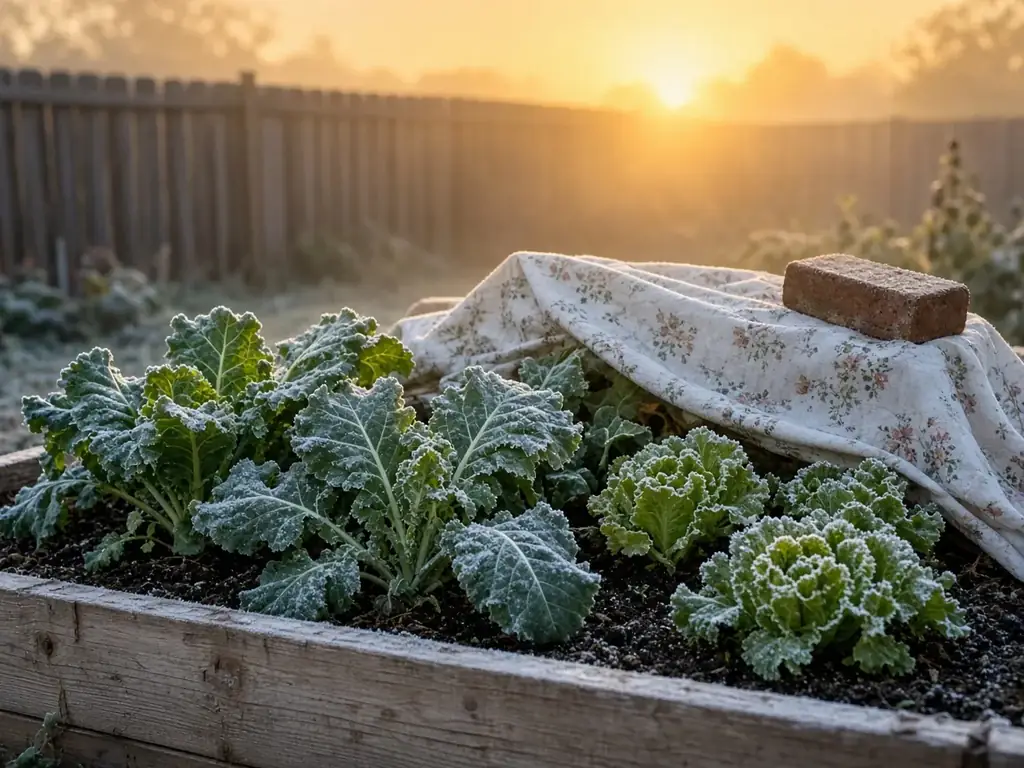
Averages are averages. A late cold snap can still happen, so keep an old sheet handy to cover tender plants.
Local tip: Check with your county extension office.
Sources
- planthardiness.ars.usda.gov (planthardiness.ars.usda.gov)
- cooperative extension office (extension.org)